

Employee Friendly Interior Designing That Increases Work Efficiency of Companies
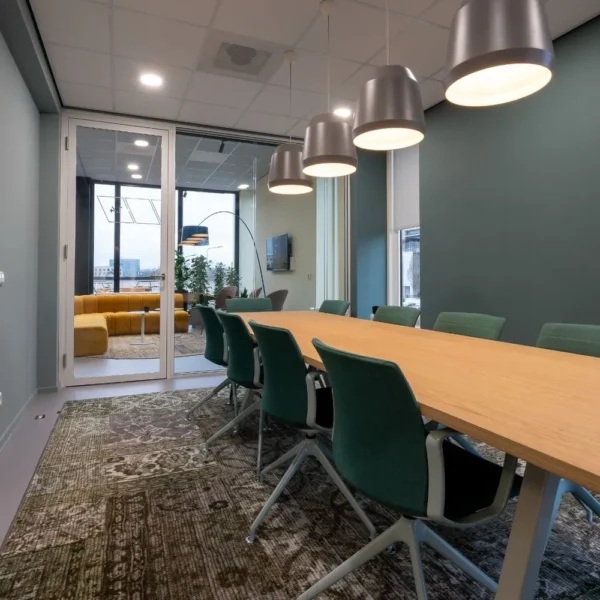
Businesses are realizing more and more that workspace design directly affects employee engagement, productivity, and well-being in the fiercely competitive business world of today. The days of offices being just rows of cubicles with fluorescent lights are long gone. These days, modern workspaces prioritize comfort, functionality, health, and creativity—all of which greatly improve productivity. One concept that is rapidly gaining attention is employee friendly interior designing, a strategic strategy that supports the demands of the workforce by combining utility and beauty.
This article explores how well planned office spaces might help businesses increase productivity. We’ll explore everything that makes a workplace genuinely employee-centric, from layout design to color psychology, ergonomics to biophilic features.
Why Interior Design Matters for Workplace Efficiency
Nowadays, workplace design is seen as an essential corporate investment rather than a luxury. Numerous studies have demonstrated that thoughtfully planned workspaces can result in:
- Higher employee satisfaction
- Better focus and concentration
- Reduced stress
- Fewer health complaints
- Lower turnover
- Increased creativity
Employees spend one-third of their everyday lives at work. Their mood, motivation, and performance are greatly influenced by their surroundings. This is where employee friendly interior designing turns from an aesthetic addition into a transforming tool.
Key Elements of Employee-Friendly Office Design
Businesses must concentrate on a number of fundamental design concepts in order to create a productive and happy workplace. The key elements that promote success are listed below.
1. Ergonomics – Supporting Health and Comfort
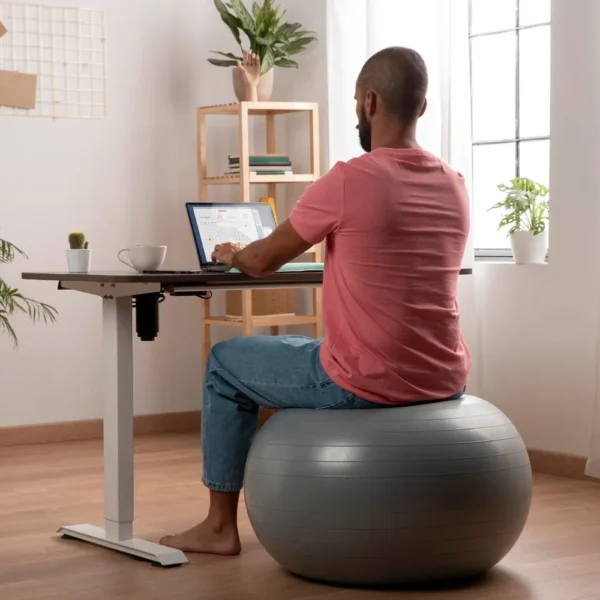
The cornerstone of any productive office is ergonomics. Fatigue, back discomfort, and other long-term health problems are caused by unpleasant workstations, poor seating, and improper desk height. Conversely, ergonomic furniture improves your mood and mental health.
Key ergonomic improvements include:
- Adjustable chairs with lumbar support
- Sit-stand desks
- Ergonomic keyboards and mouse devices
- Monitor height adjusters
- Anti-glare screens
Businesses may lower medical problems, turnover, and stress through providing pleasant places to work, which leads to a healthier and more productive workforce.
2. Lighting – The Power of Natural and Artificial Light
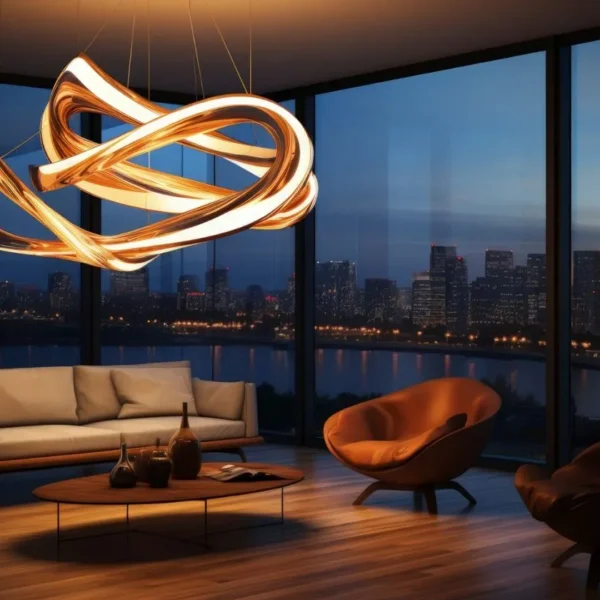
In day-to-day professional life, lighting has a physiological and psychological impact. Inadequate lighting impairs focus, strains the eyes, and gives headaches.
Optimal lighting practices include:
- Maximizing natural light through open windows or glass partitions
- Using LED lights with soft temperature tones
- Installing task lights for focused work
- Reducing glare from screens and reflective surfaces
An office with good lighting naturally improves motivation and attitude, which boosts productivity.
3. Space Layout – Encouraging Collaboration and Focus
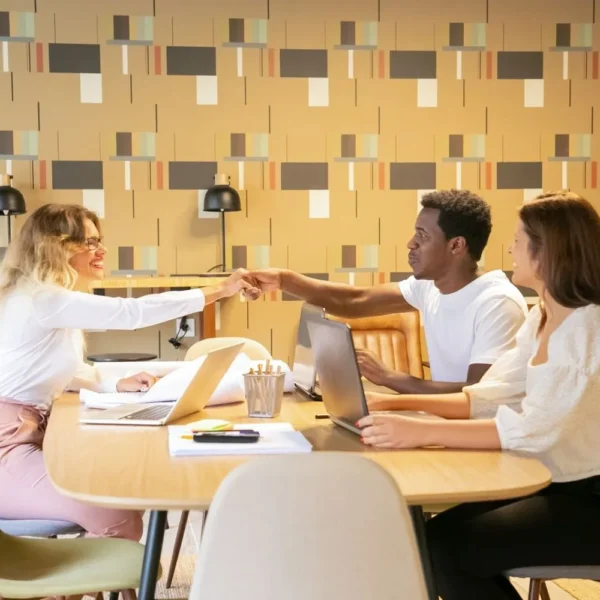
A well-considered spatial arrangement guarantees a balance between private and collaborative work areas. Both calm areas as well as open places are necessary for businesses.
Efficient layout ideas:
- Open collaboration zones for teamwork
- Private cabins or phone pods for focused work
- Lounge spaces for relaxation and informal discussion
- Multi-functional meeting rooms
- Flow pathways to avoid congestion
This equilibrium boosts efficiency by enabling workers to select the setting that best suits their work.
4. Color Psychology – Setting the Right Mood

Colors have physiological and behavioral impacts. Selecting the appropriate color scheme improves focus, creativity, and vitality.
Color recommendations:
- Blue:boosts focus and calmness
- Green:reduces stress and enhances balance
- Yellow:inspires creativity and positivity
- White/Neutrals:create a clean, spacious feeling
- Accent colors:add personality without overwhelming the senses
Color selection is one of the simplest yet most effective tools in employee friendly interior designing.
5. Acoustic Control – Reducing Distraction
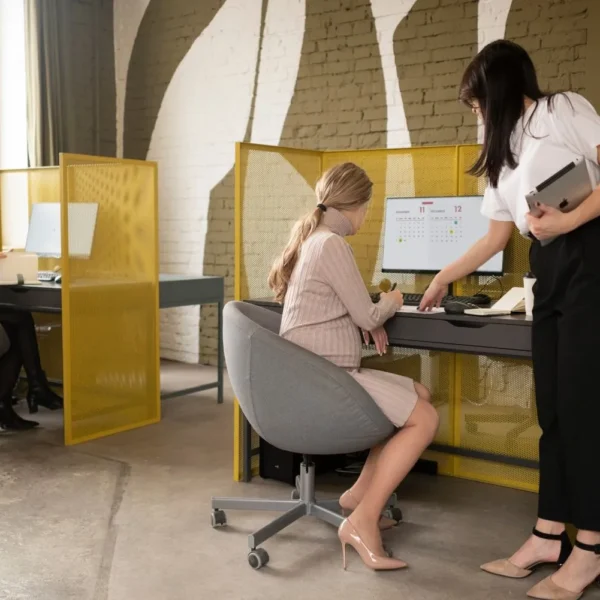
One of the main causes of job distraction is noise. Well-planned acoustic with material that absorb sound are essential components of a productive office.
Ways to improve acoustics:
- Acoustic wall panels
- Carpets and rugs
- Soundproof meeting rooms
- Noise-canceling dividers
- Ceiling baffles
Reducing noise pollution improves employee focus and lessens mental strain.
6. Biophilic Elements – Bringing Nature Indoors
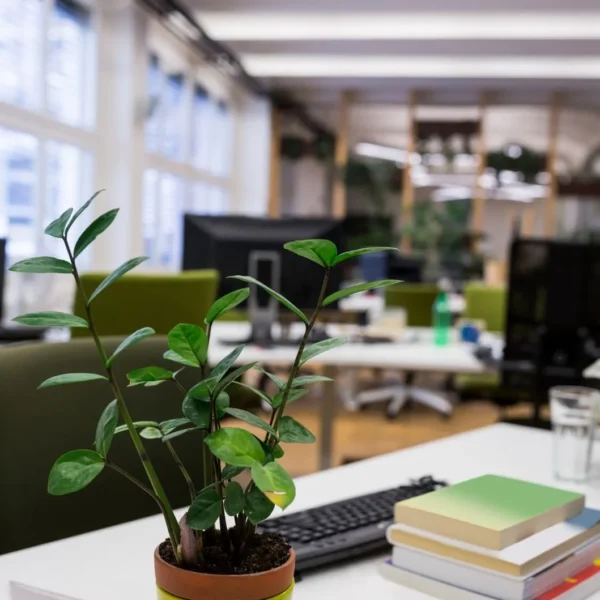
Natural elements are incorporated in the work environment through biophilic design. This method improves psychological balance, blood circulation, as well as mental health.
Biophilic features include:
- Indoor plants
- Vertical gardens
- Natural materials like wood or stone
- Water features
- Sunlit open areas
Workers who are in close proximity to the outdoors typically feel more at ease and productive.
How Employee-Friendly Design Boosts Company Performance
Because interior design has an exceptionally high return on investment, businesses across the world are transforming their offices. Here’s how a well-designed desk improves productivity.
1. Enhances Employee Satisfaction
Individuals are more satisfied with their jobs when intelligent design choices make them feeling appreciated. Comfortable surroundings foster a feeling of community and lessen stress.This is one of the core outcomes of implementing employee friendly interior designing.
2. Improves Focus and Cognitive Performance
Mental clarity is diminished by discomfort, clutter, and distractions. Focus, decision-making, and problem-solving are all improved in a neat and attractive setting.
3. Encourages Collaboration
Collaborative areas that encourage dialogue and creativity are given top priority in contemporary office architecture. By setting up distinct areas for brainstorming, staff members have more chances to exchange concepts and improve solutions.
4. Reduces Employee Turnover
Workers who truly look forward to going to work are more enthusiastic about their jobs. Positive environments lower resignation rates and save businesses money on hiring new employees.
5. Supports Employee Wellness
Corporate culture now prioritizes workplace wellbeing. Businesses can preserve their employees’ physical and mental well-being by implementing wellness centers, lounges for relaxation, ergonomic furniture, and natural elements.
6. Boosts Employer Branding
A company’s professionalism and principles are reflected in a well-designed and useful workspace. First impressions are important when prospective hires come into the business. A workplace built with employee friendly interior designing attracts top talent.
Practical Tips for Implementing Employee-Friendly Office Interiors
These are doable actions that businesses may take to make the shift to more employee-focused environments.
Conduct an Employee Survey
Understanding what employees truly need is essential before starting any design update. Surveys assist in identifying problems and areas that need improvement.
Hire a Professional Designer
The psychology of productive workspaces is understood by interior designers who specialize in corporate settings, such as Arkik Design. They are able to design layouts, use appropriate materials, and guarantee comfort without compromising style.
Introduce Flexible Seating
Employees are empowered to select workstations that best fit their work style thanks to hybrid and flexible seating configurations, which include standing desks, couches, collaborative tables, and private cabins.
Add Breakout Zones
Breakout spaces encourage rest, which revitalizes workers and fosters innovation. Here, gentle lighting, greenery, bean bags, and cozy seating all work beautifully.
Prioritize Cleanliness and Organization
Mental clarity is enhanced by a clutter-free environment. A clean, well-organized environment is enhanced by storage cabinets, cable management solutions, and simple décor.
For interior designing consultation connect with Arkik Designs
The Future of Office Interior Design
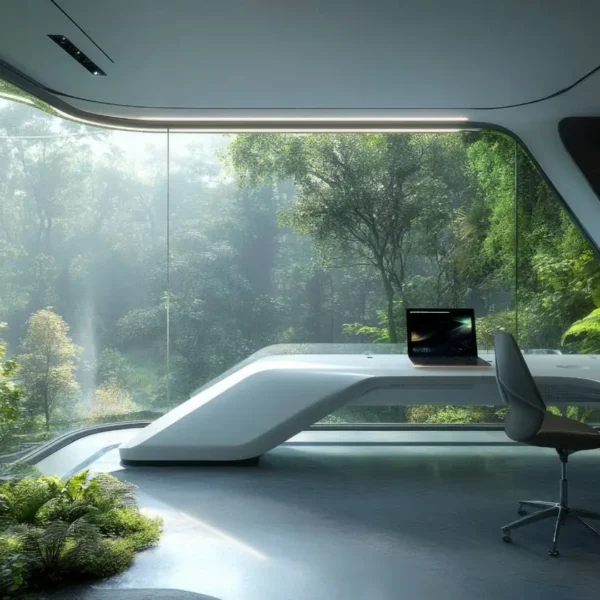
The workplaces of the future will combine sustainability, technology, and human-centered design. Ideas like smart desks, AI-powered lighting, eco-friendly materials, and online meeting spaces are gaining traction. The continuing evolution of employee friendly interior designing guarantees that businesses will continue to be able to provide the finest possible assistance for their teams.
Office environments will become more flexible, holistic, and wellness-focused in the upcoming years, assisting businesses in achieving success through inspired and empowered workers. For designing related doubts and enquiry connect Arkik design Malappuram.
Conclusion
Employee-friendly workplace spaces are now a strategic requirement rather than just a fad. A well-planned setting promotes wellbeing, happiness, productivity, and motivation. The workplace can be converted into a dynamic environment that propels corporate growth through ergonomics, lighting, acoustics, collaboration spaces, or biophilic aspects.
By embracing employee friendly interior designing,Businesses make investments in their employees’ long-term productivity and performance in addition to attractive workspaces. Every person who works in a well-designed office is inspired, supported, and elevated by it, making it a valuable asset.